
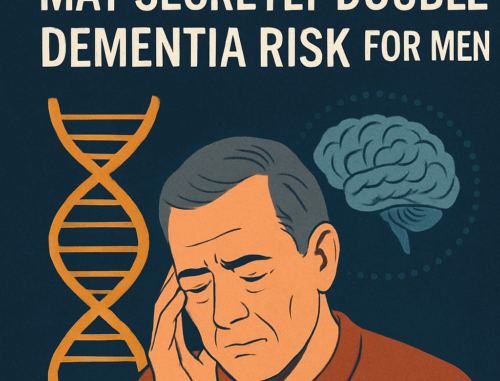
Imagine carrying a genetic trait that quietly increases your risk of dementia – and not even knowing it. That’s exactly what researchers found for certain men with a specific version of the HFE gene, the body’s iron regulator.
A study published in Neurology tapped into data from the ASPREE (ASPirin in Reducing Events in the Elderly) trial and uncovered something intriguing: men with two copies of the H63D gene variant face more than twice the lifetime risk of dementia compared to men without it. The same risk simply doesn’t appear for women.
How Common Is This Gene Variant?
According to Professor John Olynyk of Curtin Medical School:
- Roughly 1 in 3 people carry one copy of the H63D variant.
- Around 1 in 36 carry two copies.
The takeaway? One copy is harmless. Two copies – at least for men – could be trouble.
Why Only Men Are Impacted
That’s the million-dollar question. The study’s authors don’t have the full answer yet, but possible explanations include hormonal differences or unique immune system responses.
Interestingly, high blood iron levels weren’t to blame. This points toward other pathways – perhaps inflammation or oxidative stress – damaging brain cells over time.
Should Men Get Tested?
The HFE gene is already screened for in many Western countries when diagnosing haemochromatosis, a condition where the body stores too much iron.
Given this research, broader testing for men – even those without iron issues – might be worth considering. Early detection could:
- Flag higher-risk individuals sooner
- Encourage brain health monitoring earlier in life
- Support more tailored dementia prevention plans
What This Means for Dementia Research
Co-author Professor Paul Lacaze of Monash University sees this as a big step toward personalized medicine.
In Australia, over 400,000 people live with dementia – about one-third of them men. Understanding genetic risk factors like H63D could help protect vulnerable groups before symptoms start.
“This kind of collaboration,” Lacaze said, “is how we turn discoveries into real-world prevention strategies.”
The Power of the ASPREE Trial
Originally launched to see whether daily low-dose aspirin could help older adults stay healthier, the ASPREE trial involved over 19,000 participants in Australia and the U.S. It has since become a goldmine of data for studies on healthy aging, including this one.
The research team behind the discovery included:
Curtin University, Monash University, The University of Melbourne, The Royal Children’s Hospital, Murdoch Children’s Research Institute, Fiona Stanley Hospital
Bottom line: If you’re a man with two copies of the H63D gene variant, your dementia risk might be significantly higher – but knowing about it could give you a head start in protecting your brain.
Source: sciencedaily.com