
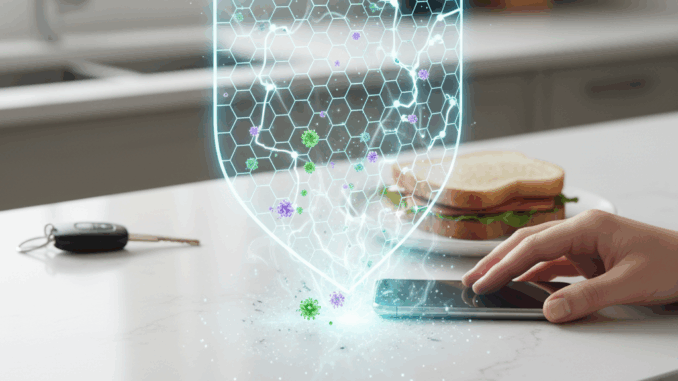
Picture this: a tiny, invisible shield that zaps viruses, bacteria, and fungi in minutes, no sunlight needed. That’s the magic of hydrogen boride (HB) nanosheets, a game-changing material that could make our everyday surfaces a lot safer. Imagine coating your phone, doorknobs, or even your favorite jacket with a clear layer that wipes out nasty germs like SARS-CoV-2, the flu, or even that stubborn mold in your bathroom. Sounds like sci-fi, right? But it’s real, and it’s pretty darn exciting.
The world’s been grappling with some big health headaches – new pandemics popping up and superbugs laughing in the face of antibiotics. With germs getting smarter and spreading faster, scientists have been on a mission to find new ways to fight them off, especially in places we touch every day. Enter HB nanosheets, a brainchild of Professor Takahiro Kondo and his team at the University of Tsukuba. Originally cooked up for cool tech like electronics and energy storage, these super-thin sheets are now stealing the spotlight for their germ-killing superpowers.
A team of researchers, including Professor Masahiro Miyauchi, Associate Professor Akira Yamaguchi, and grad student Andi Mauliana from the Institute of Science Tokyo, along with Kondo and others from Kochi University of Technology and the Kanagawa Institute of Industrial Science and Technology, put these nanosheets to the test. Their findings, dropped in the Journal of Materials Chemistry B on April 23, 2025, are a big deal. They coated glass with a clear HB nanosheet film and threw all sorts of microbes at it – SARS-CoV-2, influenza, feline calicivirus, E.coli, staph, and even some funky fungi like Aspergillus niger. The result? In just 10 minutes at room temp, these pathogens were toast, reduced to undetectable levels. No UV lights, no fancy gadgets – just the nanosheets doing their thing.
So, how do they pull off this microbial massacre? It’s all about messing with the proteins that germs rely on. The nanosheets basically scramble those proteins like a chef cracking eggs, leaving the microbes dead in the water. What’s extra cool is that these coatings are see-through and work in the dark, unlike some other antimicrobial options that need light to activate or metal-based coatings that can wear off or cloud up surfaces.
The team also tested these coatings in dry conditions – think a sneeze landing on your desk or a cough hitting a bus handrail. The nanosheets held up, proving they’re ready for real-world action. With fears of another pandemic always looming, this tech could be a lifesaver, turning everyday items into germ-free zones. Plus, with their antifungal powers, they could keep mold and mildew at bay, making your home or office a cleaner, safer place.
HB nanosheets are like the unsung heroes of the nanomaterial world, offering a versatile, no-fuss way to keep pathogens in check. Whether it’s stopping the next big virus or just keeping your kitchen counter mold-free, this tech has serious potential to make our daily lives a little less germy and a whole lot healthier.
Source: ScienceDaily