
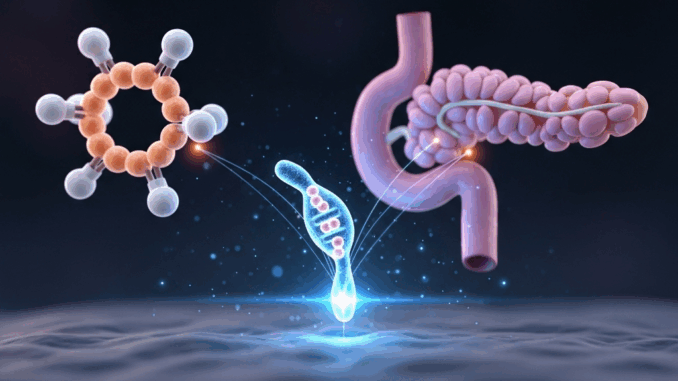
Science is full of big discoveries, but sometimes the most powerful breakthroughs come from tiny things you’d never expect. Take the gene PPP1R3B. Doesn’t exactly roll off the tongue, right? But according to new research published in Science Advances and led by Dr. Kate Townsend Creasy from Penn Nursing, this single gene might hold the keys to how your body decides to store and use energy.
And here’s why that matters: unlocking this gene’s secrets could change the way we understand – and eventually treat – conditions like type 2 diabetes, fatty liver disease, and even broader metabolic disorders that affect millions of people around the globe.
Meet the Gene That Manages Your Energy Wallet
Let’s break this down without the heavy jargon. Your liver is like the financial manager of your body’s energy bank account. It has two main ways to stash away energy:
- Glycogen: Think of this as cash in your wallet – quick access fuel your body can grab when you need energy fast.
- Triglycerides (fat): This is more like money tucked into a savings account. It’s long-term storage, harder to access, but good for reserves.
Now here’s where PPP1R3B steps in. This gene acts like a control switch, telling the liver which savings strategy to use.
- When PPP1R3B is active and turned up high, your liver stashes more energy as glycogen. Quick-access fuel, ready to go.
- When PPP1R3B is dialed down, your liver shifts gears and starts packing energy away as fat.
That’s a pretty big deal, because how your liver manages this balance directly impacts your blood sugar, fat levels, and overall metabolic health.
Why It’s a Game-Changer
For years, scientists knew there was a link between PPP1R3B mutations and conditions like type 2 diabetes and fatty liver disease. But the “how” was fuzzy.
Dr. Creasy’s team changed that. By running carefully designed experiments in both mice and cell models, they showed exactly how tweaking this gene changes the way the liver burns glucose or fat. In other words, PPP1R3B isn’t just another piece of the genetic puzzle — it’s a master regulator that helps decide whether your body leans toward healthy blood sugar control or slips into metabolic trouble.
The Bigger Picture: Diabetes and Beyond
Let’s zoom out for a second. Type 2 diabetes affects hundreds of millions of people worldwide. It’s not just about high blood sugar – it’s about your body struggling to use insulin effectively, leading to a domino effect of problems: weight gain, heart issues, nerve damage, and more.
Now imagine if doctors could adjust how PPP1R3B works in your liver. Suddenly, you’ve got a way to fine-tune how your body stores energy: more glycogen, less fat, smoother blood sugar regulation. That could make treatments for diabetes – and possibly prevention – far more effective.
It’s not just diabetes either. Fatty liver disease, which now affects roughly a quarter of adults globally, could also be impacted. By tweaking PPP1R3B, researchers suggest it may be possible to reduce fat buildup in the liver and avoid progression to more serious conditions.
Personalized Nutrition: The Future of Food Meets Genetics
One of the most exciting parts of this discovery is how it ties into the idea of precision nutrition.
Instead of cookie-cutter diet advice (“cut carbs” or “eat more protein”), doctors could look at your genetic profile – including your PPP1R3B activity – and design a plan tailored just for you.
- If your PPP1R3B runs low, you might benefit from a diet that keeps fat storage under control.
- If it’s high, your body may naturally favor glycogen, so you might respond differently to carbs.
We’re not there yet, but the potential is huge. Imagine going to your doctor or nutritionist and getting a diet plan designed around your liver’s exact genetic blueprint.
The Human Angle: Why This Matters Now
Scientific breakthroughs often feel distant, locked in labs or journals. But the PPP1R3B story matters because it’s so directly tied to problems people face every single day.
- Struggling to manage blood sugar?
- Fighting stubborn belly fat?
- Worried about liver health?
These aren’t abstract issues – they’re the lived reality of millions. And if a single gene can help unlock better ways to prevent or manage them, that’s something worth paying attention to.
Dr. Creasy put it best: “PPP1R3B acts like a control switch in the liver, directing whether energy is stored for quick use or long-term reserve.” Simple, clear, and incredibly powerful.
Where We Go From Here
The discovery is still in the research phase. Don’t expect a PPP1R3B pill to hit your pharmacy next year. But the roadmap is clear:
- More Research: Scientists need to confirm these findings across larger studies and in human trials.
- Therapy Development: Long-term, the goal is to find safe ways to tweak PPP1R3B activity — through drugs, nutrition, or maybe even gene-targeted therapies.
- Public Awareness: Understanding the role of genes like PPP1R3B could help people take metabolic health more seriously and push for personalized approaches.
The Takeaway
When you hear about a single gene influencing something as huge as diabetes risk, it’s easy to get skeptical. But the beauty of the PPP1R3B discovery is how logical it is. It’s not about reinventing the wheel. It’s about understanding the switch that tells your liver how to store energy – and realizing that this tiny piece of code could make the difference between metabolic balance and disease.
For now, the story is still unfolding. But it’s a reminder of how much power can be hidden in something so small. One gene, one switch, one breakthrough – and maybe a new chapter in the fight against diabetes and metabolic disease.
source: sciencedaily