
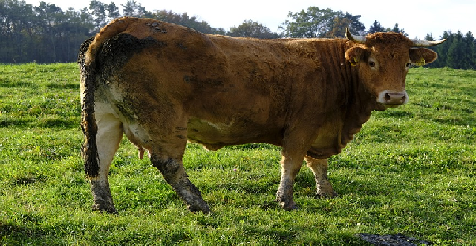
Who knew cow poop could be a game-changer for the planet? Researchers from UCL and Edinburgh Napier University have cooked up an ingenious way to transform cow dung into high-quality cellulose – the stuff in everything from surgical masks to food packaging – using a slick new method called horizontal nozzle-pressurised spinning. Published in The Journal of Cleaner Production, their breakthrough is a shining example of the circular economy, where waste gets a second life as something valuable, cutting pollution and giving dairy farmers a reason to smile.
Cellulose is like the unsung hero of manufacturing, found in everything from cling wrap to paper and even some medicines. Usually, it comes from plants or is made with harsh chemicals, but this team, led by UCL’s Professor Mohan Edirisinghe, figured out how to mine it from an unlikely source: cow manure. Yep, the leftovers from what cows munch on are packed with tiny cellulose bits, and the researchers found a way to pull them out using gentle chemical reactions and a bit of blending.
Here’s where it gets cool. They used a technique called pressurised spinning, which Edirisinghe’s team invented back in 2013. It’s like a high-tech spinning wheel that uses pressure and rotation to turn liquid into fibers, films, or meshes. At first, spinning the dung-derived cellulose didn’t work – until they switched to a horizontal setup, shooting the liquid through nozzles into water. Boom! Suddenly, they could churn out cellulose in all sorts of forms, ready for manufacturing. “We’re not totally sure why it works,” Edirisinghe admits with a grin, “but it does, and that’s what counts.”
This new method, dubbed horizontal nozzle-pressurised spinning, is not only cleaner than some traditional processes but also energy-efficient, skipping the high voltages other techniques rely on. Scaling it up should be a breeze since the machines are already out there, built right in UCL’s workshops. The real hurdle? Getting enough cow dung to keep the process moo-ving. But the payoff is huge: it’s a win for the environment, dairy farmers, and manufacturers.
Cow manure is no small problem. By 2030, global animal waste could hit five billion tons, polluting waterways, pumping greenhouse gases into the air, and spreading pathogens if not handled right. For farmers, it’s often a headache to dispose of. That’s where this tech swoops in, turning a messy burden into a potential cash cow. “This could be a lifeline for dairy farmers,” says Yanqi Dai, the study’s first author. “It takes a waste product that’s bad for the planet and turns it into something useful – maybe even profitable.”
The team’s now on the hunt for dairy farmers to team up with and bring this idea to life on a bigger scale. With funding from UK Research and Innovation, they’ve shown that what comes out of a cow’s backend could be the front line of sustainable manufacturing. So, next time you see a cow pat in a field, don’t wrinkle your nose – think of it as raw material for a greener future.
source: sciencedaily